 LoupeLab
F1 Miami GP and the TAG Heuer Era: Watch Sponsorship in 2026 Formula 1
The 2026 Miami Grand Prix marked the second season of TAG Heuer's tenure as Formula 1's official timekeeper, following a 10-year deal between LVMH and F1 that ended a Rolex partnership running since 2013.
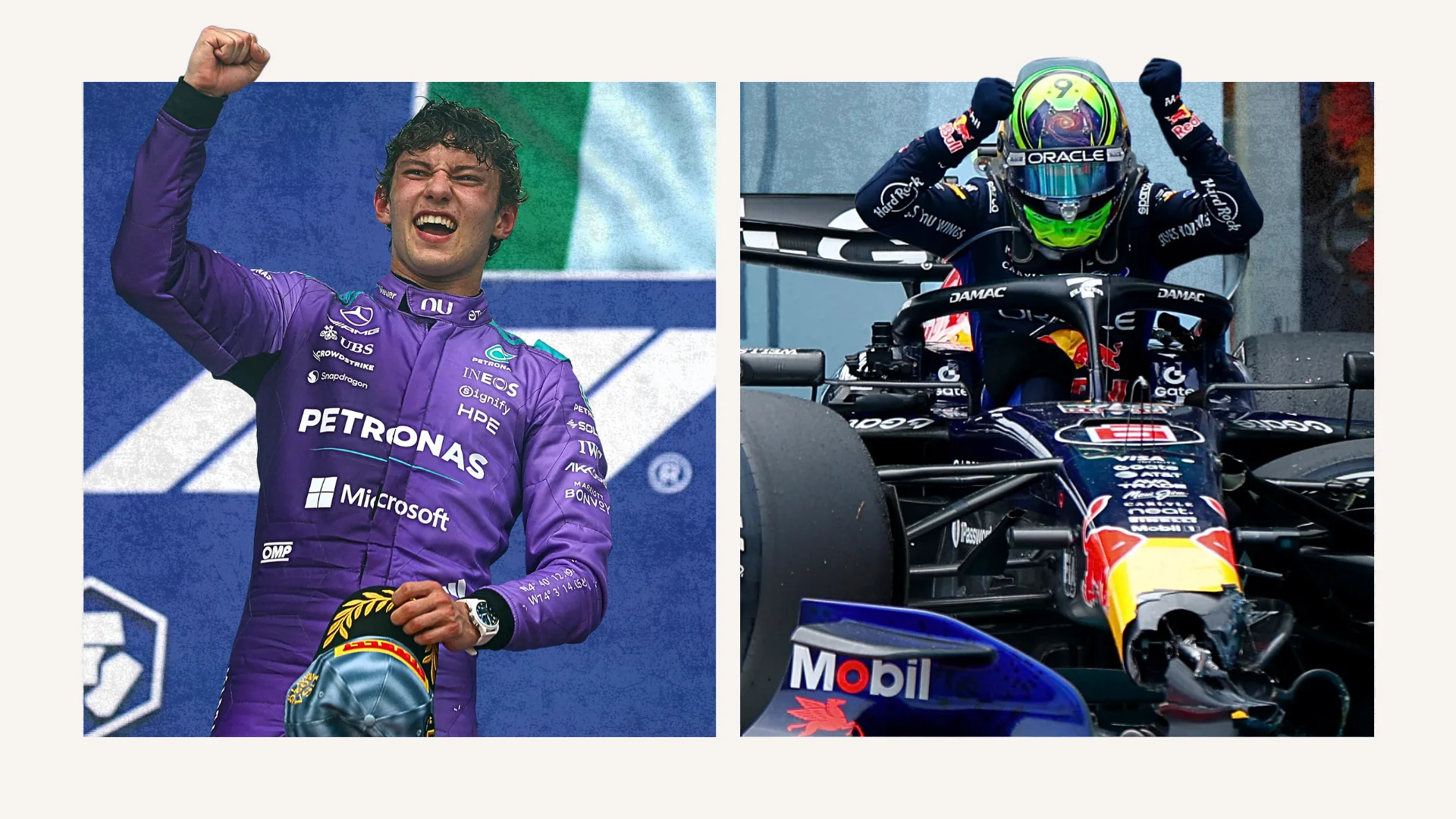
A New Era for F1 Timekeeping
The 2026 Miami Grand Prix marks the second season of TAG Heuer's tenure as Formula 1's official timekeeper, a role the brand assumed at the start of the 2025 calendar. The change followed a 10-year agreement between LVMH and Formula 1, ending a relationship with Rolex that had run since 2013, when Rolex was named the sport's Global Partner and Official Timepiece. The deal sits within LVMH's wider strategy of pairing its luxury houses with global sports properties, a pattern visible across the group's recent moves in football, tennis, and the Olympic Games.
For TAG Heuer, the F1 partnership is less a new direction than a return to one. The visual language of trackside chronograph graphics, sector splits, and pit-lane timing readouts now carries the brand's typography across every race weekend on the calendar.
Sponsored

TAG Heuer's Racing Pedigree
TAG Heuer's connection to motorsport predates the current deal by decades. The company was founded in 1860 by Edouard Heuer in Saint-Imier, Switzerland, and operated under the Heuer name until the TAG Group acquisition in 1985. Heuer served as the official timekeeper of Formula 1 from 1971 to 1992, a 21-year run that overlapped with the introduction of electronic timing to the sport.
Several of the brand's core model lines trace their origins to racing applications. The Autavia, introduced in dashboard-timer form in 1933 and as a wristwatch in 1962, was named for automobile and aviation use. The Carrera, launched in 1963, was designed with motorsport drivers in mind. The Monaco, released in 1969, became one of the first square-cased automatic chronographs and gained lasting recognition through Steve McQueen's wearing of the reference 1133B in the 1971 film "Le Mans."
The Miami Race Weekend
The 2026 edition of the Miami Grand Prix was held at the Miami International Autodrome, the temporary circuit laid out around Hard Rock Stadium in Miami Gardens. The race, which wrapped on Sunday, marked the fifth running of the event since its 2022 debut on the F1 calendar.
As at every Grand Prix, the paddock and grid walk featured the standard watch-brand activations. Driver wrist shots, ambassador appearances, and trackside hospitality formed a parallel commercial event running alongside the racing itself. With Miami serving as a key market for North American luxury sales, the race weekend functions as a high-visibility showcase for the watchmakers tied to the sport.
Team Partnerships on the Grid
Several team-watch partnerships remain in place for the 2026 season. Mercedes-AMG Petronas F1 Team continues its long-running relationship with IWC, a partnership dating to 2013. Scuderia Ferrari is partnered with Richard Mille, which took on the title watchmaker role after Hublot's tenure with the team ended. Aston Martin Aramco F1 Team has worked with Audemars Piguet since 2021.
Team-watch deals shift between seasons and contracts overlap unevenly with the F1 calendar. What stays consistent is the visibility of the partnerships, present on driver wrists, in race-day media work, and across team garages during the build-up to each session.
Why F1 Matters to the Watch Industry
Formula 1 is one of the few global sports properties that combines a luxury-skewed audience, year-round engagement across more than 20 race weekends, and a direct narrative association with precision engineering. Those three values map cleanly onto the marketing positioning of mechanical watchmaking, which is part of why the category has drawn sustained interest from the largest brands.
The TAG Heuer deal is the headline arrangement because it touches every broadcast. The official timing graphics, trackside branding at every circuit, and the timing data displayed during sessions all carry the brand's identity, regardless of which teams are running on track.
What Comes Next
F1 has become the most contested sponsorship category in luxury watchmaking, a position it has consolidated as the major houses have spread their attention across tennis, golf, and sailing. The remainder of the 2026 season will test how TAG Heuer's category-wide presence interacts with the individual team partnerships already on the grid. Whether the sport-wide deal reshapes the competitive landscape for team sponsorships or simply runs alongside them is a question the next two dozen race weekends will start to answer.
Sponsored
More News
Watch Service in 2026: Realistic Timelines for the Major Manufactures
Service is the cost of ownership most new collectors underestimate. A practical guide to realistic service timelines and costs at Rolex, Tudor, Omega, Patek Philippe, Audemars Piguet, A. Lange & Söhne, JLC, and IWC, plus the authorized vs independent watchmaker tradeoff.
May 6, 2026
Richemont FY 2026 Preview: What to Watch When the Watch Division Reports
Richemont reports its full-year FY 2026 results in mid-May, covering the year that ended March 31, 2026. The mid-May report is one of the cleanest single reads of the year on European luxury watchmaking, and the commentary will set the tone for the second half of 2026.
May 6, 2026
How to Buy at a Geneva Watch Auction: A Primer for New Collectors
A practical walkthrough of the Geneva spring auction process at Phillips, Sotheby's, and Christie's — from catalog research and condition reports through registration, bidding methods, the buyer's premium, and post-sale logistics.
May 4, 2026
Raul Pages: The AHCI Maker Who Won the Louis Vuitton Watch Prize
In 2024, Raul Pages won the inaugural Louis Vuitton Watch Prize for Independent Creatives with his RP1 Régulateur à Détente, a wristwatch that uses a detent escapement rare outside of marine chronometers. His win is now a useful reference point for what AHCI membership actually means in practice.
May 4, 2026